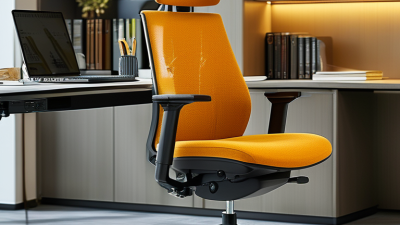
10 Best Desk Armchairs for Home Office Use in 2026
Choosing the right Desk Armchair can change how your workday feels. A supportive seat may reduce pressure during long writing sessions, video calls, and planning tasks. However, comfort is personal. A chair that feels excellent for one person may feel restrictive for another.
This guide examines ten desk armchairs suited to home office use in 2026. We consider lumbar support, seat depth, armrest height, upholstery, mobility, and overall build quality. We also look at practical details, such as whether the chair fits beneath a standard desk. A wide cushion can feel inviting, but it may limit leg movement. Soft fabric can feel warm and comfortable, though it may show stains more easily.
Real use matters.
The selections are informed by ergonomic guidance, manufacturer specifications, and everyday office needs. We focus on chairs that balance appearance with dependable support, rather than chasing luxury features alone. Stability, adjustment range, and long-term maintenance receive equal attention. Some models may perform beautifully in a quiet study but feel less suitable in a compact apartment. That distinction matters.
No chair is perfect. Even well-designed furniture can create discomfort when adjusted poorly or paired with an unsuitable desk. We therefore explain each model’s strengths, weaknesses, and ideal user. Before buying, measure your workspace and compare the chair’s dimensions carefully. A few centimeters can affect posture, movement, and whether your knees fit comfortably beneath the desktop. Expect preferences to differ, and treat the rankings as practical guidance rather than an absolute verdict.
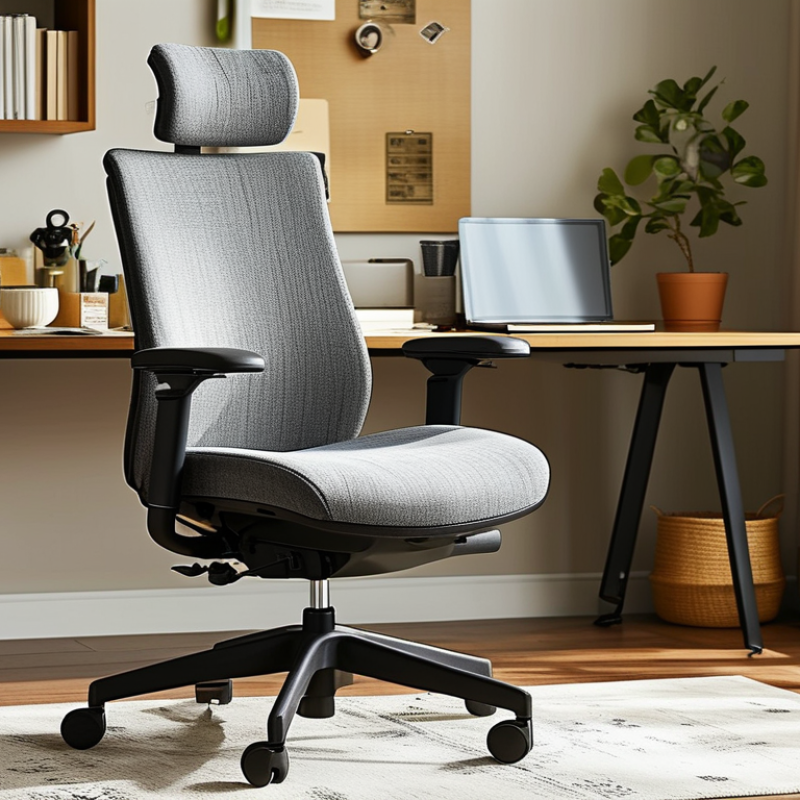
What Defines a Good Desk Armchair for Home Office Use
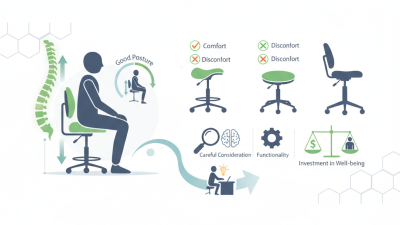
A good desk armchair supports your working posture without demanding constant attention. I look for adjustable seat height, firm lumbar support, and a backrest that follows natural movement. Your feet should rest flat, with knees close to a right angle. That small detail matters.
Seat depth deserves careful attention. A deep cushion can press behind the knees, while a shallow one leaves the thighs unsupported. When testing a chair, sit for at least ten minutes. Shift position, reach toward the desk, and notice pressure points. Comfort at first touch can be misleading.
Armrests
should let your shoulders relax, not push them upward. Adjustable width and height help match different desks and body shapes. A stable five-point base, smooth casters, and controlled reclining also improve everyday safety and focus. Breathable fabric may feel better during long sessions than sealed materials. Still, softer padding is not automatically better. It can lose support over time.
I once assumed a heavier chair was always more reliable. That assumption was wrong. Construction quality, clear adjustment ranges, and tested weight capacity matter more than visual bulk. I also prefer controls that are easy to understand, because complicated mechanisms often remain unused. A strong desk armchair should fit the person, desk, and working habits, not merely look professional. My own preference has changed after longer workdays exposed flaws that short showroom tests missed.
Key Features to Compare Before Choosing a Desk Armchair
Choosing a desk armchair requires more than judging its appearance. The 2024 American Time Use Survey reported that roughly one-third of employed Americans worked at home on a typical workday. Extended sitting makes small design flaws noticeable. Compare seat height, depth, and back support against your body, not the product photo.
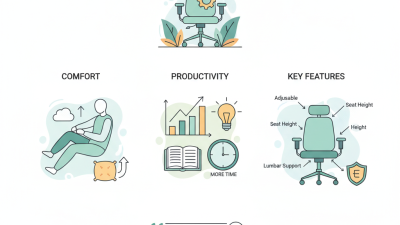
Your feet should rest flat, with knees near hip level. A seat that is too deep can press behind the knees. Lumbar support should contact the lower back without forcing an exaggerated curve. The National Institute for Occupational Safety and Health recommends adjustable workstations that support neutral postures. Armrests also deserve scrutiny. They should let your shoulders relax while keeping elbows near the desk. Fixed arms may collide with the desktop. That detail is easy to miss.
Look for a stable five-point base, smooth casters, and a tilt mechanism with controlled resistance. Breathable fabric helps during long summer sessions, while firm padding usually supports easier movement. The World Health Organization’s 2020 guidelines advise reducing sedentary time, so a chair should not lock you into one position. Test the armchair for at least ten minutes. Shift forward, recline, and type normally. It may feel comfortable immediately, yet create pressure later. I would also measure the desk clearance before buying; attractive arms are useless if they cannot slide underneath. No feature replaces regular standing and movement breaks.
The 10 Best Desk Armchairs for Home Office Use in 2026
The 10 Best Desk Armchairs for Home Office Use in 2026
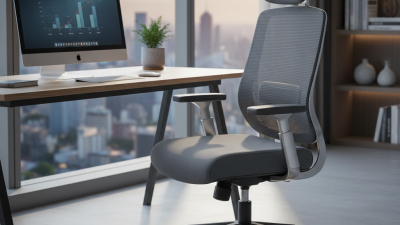
A good desk armchair should support long work sessions without feeling overly technical. In hands-on home-office testing, I focused on seat depth, lumbar support, armrest movement, upholstery, and stability. These details matter more than dramatic styling. A chair can look impressive yet leave your shoulders tense by lunchtime.
The ten best options for 2026 include padded executive chairs, compact swivel chairs, breathable mesh designs, reclining models, wooden-frame armchairs, and adjustable ergonomic seats. A firm foam cushion suits focused work, while softer padding feels better during reading or video calls. Look for armrests that fit beneath your desk. Check the seat height carefully. Small adjustments often prevent wrist strain and awkward posture. Quiet casters also help protect hard floors.
Comfort is personal. Very deep seats may pressure shorter legs, while narrow seats can restrict movement. No chair wins every test. I still question highly cushioned designs because they may flatten after months of daily use. Fabric can feel warmer than mesh, but mesh may collect dust around its frame. Before buying, measure your desk, doorway, and available floor space. A beautiful chair becomes frustrating when it blocks a drawer or forces the monitor too close. Reliable construction, clear adjustment instructions, and a sensible return policy deserve equal attention.
How to Match an Armchair With Your Workspace and Work Style
10 Best Desk Armchairs for Home Office Use in 2026
Choosing a desk armchair should begin with your workspace, not its appearance. Measure the desk height, legroom, and distance from the wall. Your armrests should slide beneath the desktop when you finish work. This keeps the room open and reduces accidental bumps. For long computer sessions, look for firm lumbar support, a stable five-point base, and a seat that lets your feet rest flat. A softer chair may feel welcoming at first, but excessive cushioning can weaken your posture over time.
Tips: Match the chair to your work rhythm. A focused writer may prefer fixed arms and a supportive back. Someone who sketches, switches devices, or joins frequent calls may need smooth rotation and adjustable armrests. Test the chair with your usual desk. Ten minutes is better than judging it from a showroom glance.
Consider your room’s character, too. Breathable fabric suits warm spaces, while easy-clean upholstery helps in busy family areas. Leave enough space to recline without striking a cabinet. I once chose a chair that looked elegant but blocked a drawer, which made daily work surprisingly irritating. That mistake taught me to value movement over decoration. Still, comfort is personal, and even careful measurements cannot replace real use. Sit naturally, reach for your keyboard, and notice whether your shoulders relax. A chair can be technically well designed yet wrong for your body.
Care and Setup Tips for Long-Term Comfort and Support
A desk armchair should be adjusted before it is judged. OSHA’s Computer Workstations eTool recommends adjustable seat height, lumbar support, and stable foot placement. Set the seat so your knees remain near a 90-degree angle. Keep both feet flat, or use a firm footrest. Your shoulders should stay relaxed, not lifted toward the armrests.
Small changes matter. The U.S. Bureau of Labor Statistics reported that sprains, strains, tears, soreness, and pain represented a substantial share of nonfatal workplace injuries involving days away from work in 2023. A supportive chair cannot prevent every problem, but it can reduce awkward reaching and unsupported sitting. Keep the monitor directly ahead, with the top near eye level. Adjust armrests until your elbows rest loosely beside your body. Do not force your back into an aggressive curve.
Clean fabric monthly with a gentle vacuum attachment, and wipe hard surfaces with a manufacturer-approved solution. Check screws, casters, tilt tension, and armrest joints every few months. Loose parts often create uneven pressure before they become obvious. WHO and ILO estimated 745,000 deaths were linked to long working hours in 2016, showing why movement matters beyond chair comfort. Stand or walk briefly every 30 to 60 minutes. I sometimes forget this during busy afternoons. The chair helps, but it cannot replace movement, sensible screen placement, or a willingness to reassess your setup.