How to Choose the Best Chair Office for Your Comfort and Productivity?
Choosing the right chair office is crucial for both comfort and productivity. According to Dr. Emily Carter, an ergonomics specialist, “A well-designed chair can transform your work experience.” This statement emphasizes the importance of selecting a chair that meets your specific needs.
In today’s fast-paced work environment, the right chair office can make a significant difference. Many professionals spend hours sitting in their chairs. An uncomfortable chair can lead to distractions and decreased efficiency. It’s essential to recognize your body’s needs when making a choice.
While aesthetics matter, functionality is indispensable. Some chairs offer adjustable features that cater to individual preferences. However, many people overlook these options and settle for less. Comfort should be a priority, yet it’s easy to ignore this until discomfort arises. Investing time in finding the perfect chair office can pay off significantly.
Understanding the Importance of Ergonomics in Office Chairs
Ergonomics plays a crucial role in selecting an office chair that enhances both comfort and productivity. A study from the Occupational Safety and Health Administration indicates that properly designed ergonomic chairs can reduce workplace injuries by about 60%. These injuries often stem from poor posture and prolonged sitting, leading to chronic pain and decreased efficiency. Investing in a chair that supports the natural curve of the spine encourages better posture, which can significantly improve overall well-being.
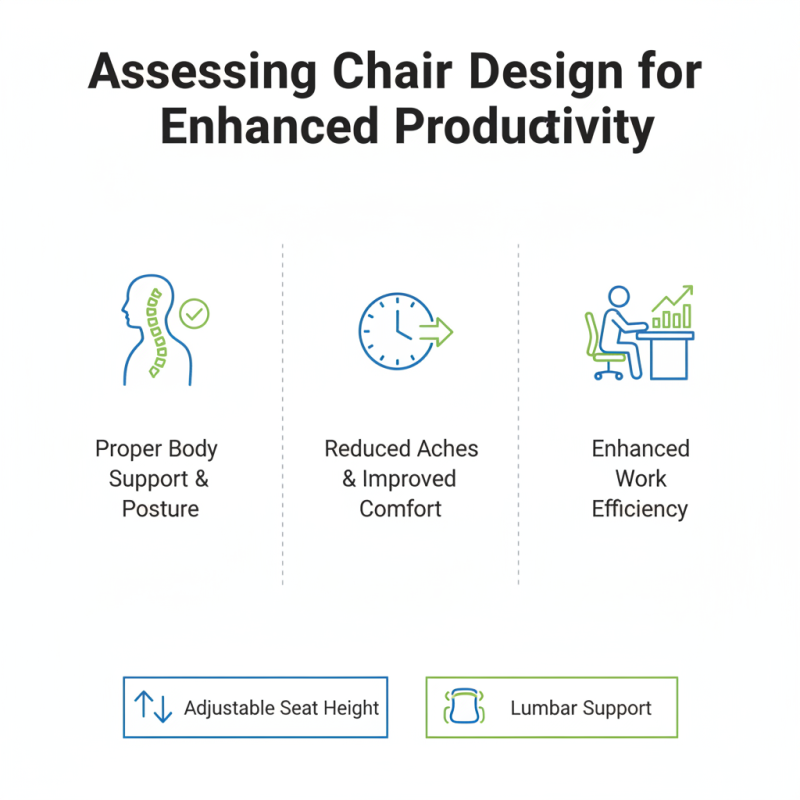
Not all ergonomic chairs are created equal. Some may claim to be ergonomic but lack essential features such as lumbar support or adjustable seat height. A report by the Human Factors and Ergonomics Society highlights that chairs with adjustable features encourage employees to customize them according to their body dimensions. This adaptability is vital, as one size does not fit all. The lack of proper support may reflect inefficiencies in productivity and an increase in employee dissatisfaction over time.
Consider your daily routine when choosing an office chair. If you work long hours, a seat with memory foam cushioning might offer more comfort than a basic model. However, not everyone values the same features. Some may prefer firmer support. Understanding personal priorities can make a difference, ensuring the chair you select aligns with your needs for comfort and productivity.
Key Features to Look for in Ergonomic Office Chairs
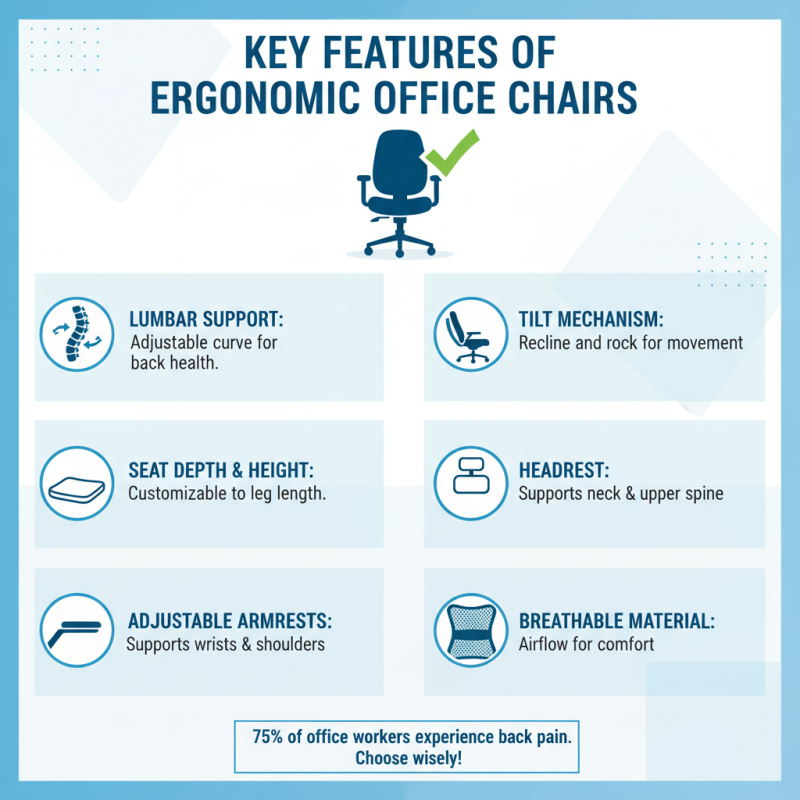
Choosing the right ergonomic office chair is essential for both comfort and productivity. A well-designed chair can significantly reduce discomfort during long working hours. Reports indicate that about 75% of office workers experience back pain due to poor seating choices. Therefore, understanding key features is crucial when selecting a chair.
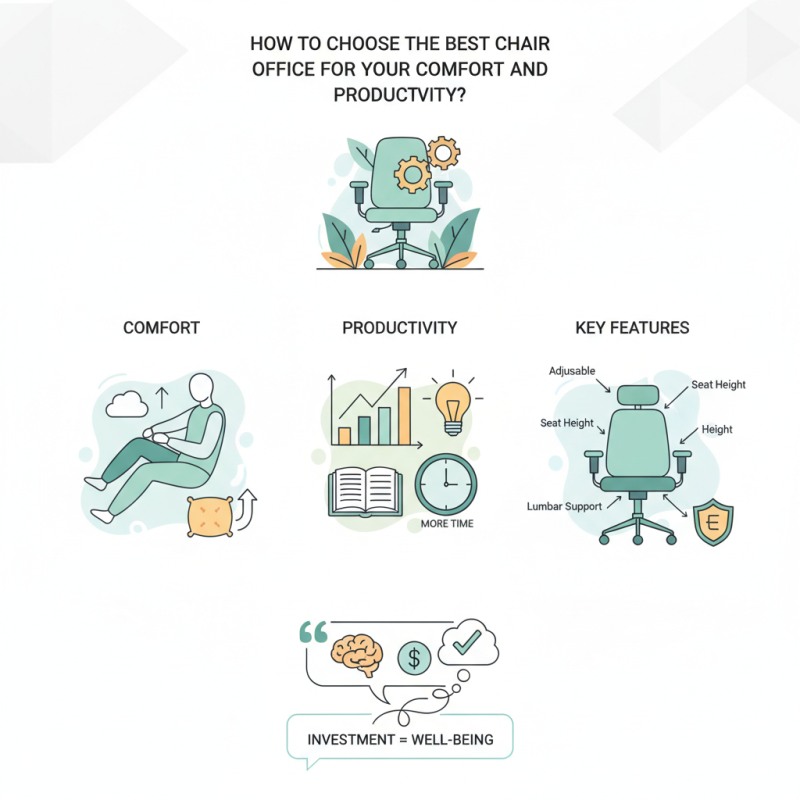
One of the most important features is adjustability. Look for chairs with adjustable heights, armrests, and lumbar support. This allows you to customize the chair to fit your body correctly. Research from the Occupational Safety and Health Administration suggests that adjustable chairs can lead to a 25% decrease in musculoskeletal disorders among employees. Additionally, chair depth and seat cushioning play a critical role in preventing discomfort. A chair that is too deep or too shallow can cause strain over time.
Another aspect to consider is material quality. Breathable fabrics can help with temperature regulation, while memory foam provides better support. However, it’s vital to remember that not every ergonomic chair suits everyone. Individual needs can vary. Testing different chairs before making a purchase is advisable. Finding the right one may take time, but it can lead to enhanced comfort and productivity in the long run.
Evaluating Materials and Adjustability for Comfort
Choosing the right office chair involves a close examination of materials and adjustability. High-quality materials significantly impact both comfort and durability. For example, mesh fabrics are breathable and help regulate temperature. According to a study by the American Chiropractic Association, about 80% of Americans experience back pain at some point. This highlights the need for ergonomic support in office chairs.
Adjustability is crucial for personalized comfort. A chair should allow users to modify height, armrests, and lumbar support. Research from the Human Factors and Ergonomics Society indicates that adjustable chairs can improve productivity by up to 15%. However, many still choose chairs that lack basic adjustability features. This can lead to poor posture and discomfort over time.
Selecting a chair with memory foam cushions can offer additional comfort. These materials contour to the body, promoting better alignment. Yet, not all foam is created equal. Some low-quality options may flatten quickly. Therefore, research and testing are important before making a decision. In a market flooded with options, finding the right fit can feel overwhelming. Balancing features with personal needs is essential.
How to Choose the Best Chair Office for Your Comfort and Productivity?
| Feature |
Description |
Importance for Comfort |
Importance for Productivity |
| Material |
Breathable mesh vs padded fabric |
High |
Medium |
| Lumbar Support |
Adjustable lower back support |
Very High |
High |
| Seat Height |
Adjustable range for various desk heights |
High |
Very High |
| Armrests |
Adjustable arm height and width |
Medium |
Medium |
| Seat Depth |
Adjustable or suitable seat depth for leg support |
High |
Medium |
| Movement & Mobility |
Swivel and rolling features for easy movement |
Medium |
High |
Finding the Right Fit: Size and Style Considerations for Your Workspace
Choosing the right office chair involves more than aesthetics. A chair should harmonize with your workspace while enhancing comfort and productivity. It’s essential to consider both size and style. A chair that's too small can cause discomfort, while one that is too large may overwhelm the space. Measure your workspace to ensure that your chair fits within the intended environment, allowing for movement around it.
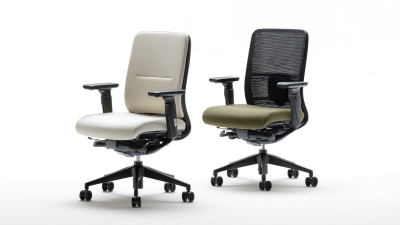
Style is equally important. An office chair should reflect the overall design of your workspace. For a modern look, sleek, minimalist chairs work well. Traditional settings benefit from classic designs. Think about the materials too. Leather or fabric can significantly impact comfort and durability. Don’t overlook color; it can influence your mood and energy levels. A vibrant hue might boost creativity, while neutral tones can create a calming atmosphere.
Personalization also matters. Your chair should cater to your specific needs. Some people prefer additional lumbar support or adjustable armrests. Remember, the seat height should allow your feet to rest comfortably on the floor. Testing different chairs can be helpful. Sit for a while before making a choice. Sometimes, what looks good may not feel good after a few hours of use. Trust your instincts and choose wisely.
Ergonomic Chair Features and Their Impact on Comfort and Productivity