Best Office Chair Stool for Comfort and Ergonomics?
In the quest for the ideal workspace, the choice of an office chair stool plays a crucial role. Comfort and ergonomics should be top priorities for anyone spending long hours at a desk. A well-designed office chair stool ensures proper posture and reduces strain on the body.
Selecting the right office chair stool is often overwhelming. Numerous designs and features claim to enhance comfort. However, many do not live up to expectations. Reviews highlight the need for adjustable height and good lumbar support. A chair that fits one person may not suit another.
Investing in an office chair stool requires careful consideration. It's not only about aesthetic appeal but functionality too. Some users report discomfort after prolonged use. This indicates that ergonomics is more complex than it seems. It's essential to test different styles and designs. Ultimately, the best choice empowers productivity and well-being at work.
Understanding Ergonomics in Office Chair Stools
Understanding ergonomics is key when choosing an office chair stool. Poor posture can lead to back pain and decreased productivity. A report from the Occupational Safety and Health Administration (OSHA) highlights that musculoskeletal disorders account for over 30% of all workplace injuries. This underscores the importance of ergonomic design.
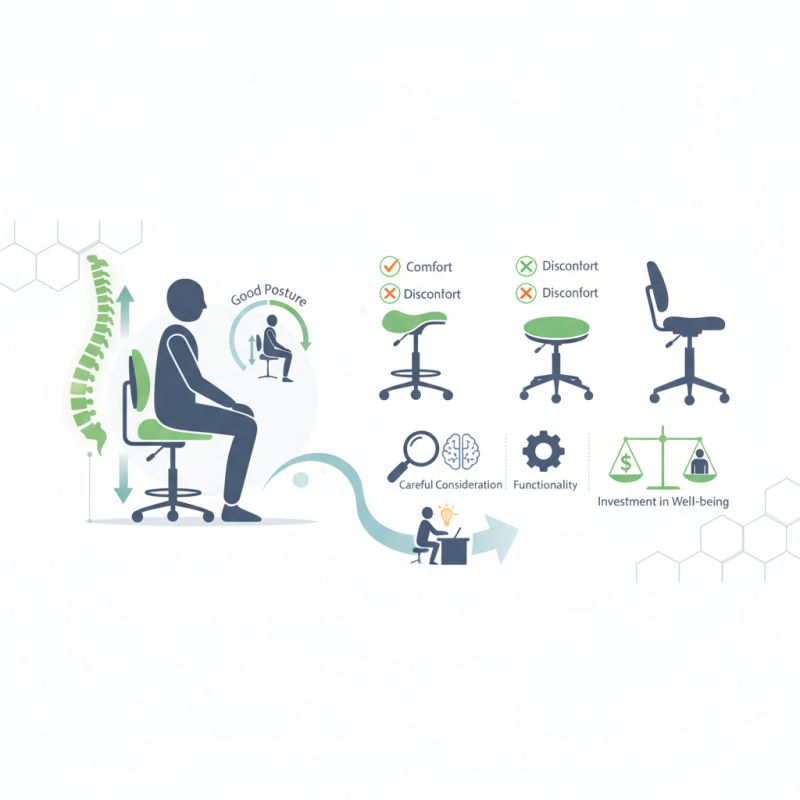
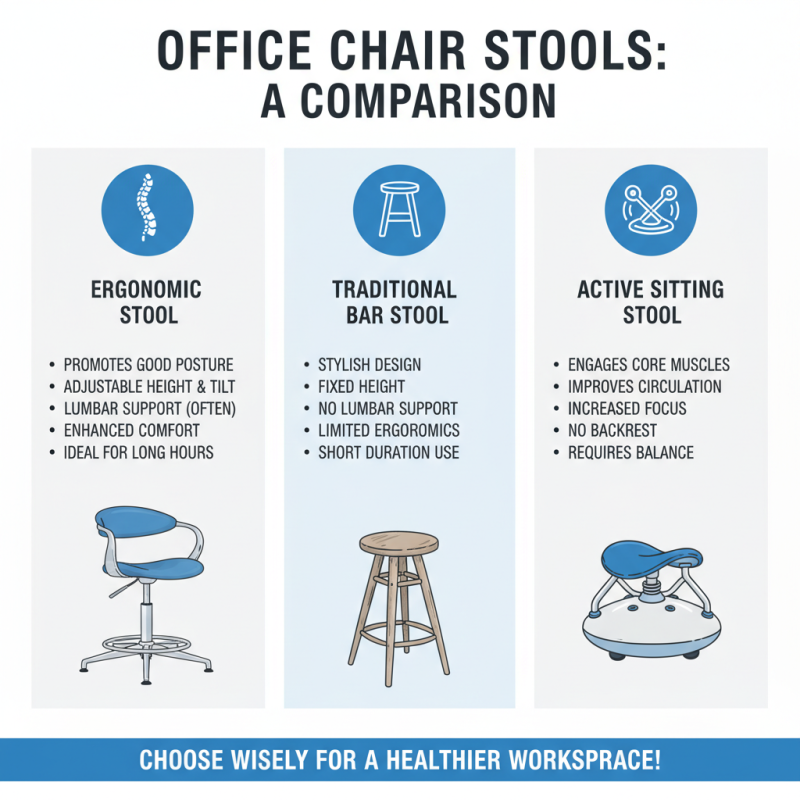
An ergonomic stool should promote a neutral spine position. This essentially means that your back should be supported in its natural curve. Adjustability is crucial. Stools that allow height adjustment can accommodate users of various sizes. Data from a recent study reveals that adjustable seating reduces discomfort by up to 65%. Moreover, using an ergonomic stool can encourage active sitting, which can improve focus and energy levels.
However, not all stools meet ergonomic criteria. Some might look appealing but lack proper support. It’s essential to check features like footrests and seat width. A report from the Human Factors and Ergonomics Society noted that 70% of users experienced discomfort when their stool didn’t have adequate support. Hence, it’s important to consider the balance between aesthetics and functionality. Comfort is not just about appearance; it's about promoting health and productivity in the workspace.
Key Features of Comfortable Office Chair Stools
Choosing a comfortable office chair stool requires attention to several key features. Ergonomics should be a top priority. Look for a stool that offers adjustable seat height. This feature accommodates various body types, promoting better posture during long working hours. A height-adjustable stool can help prevent discomfort in the lower back and legs.
Another essential aspect is the seat design. A contoured seat with cushioning can make a significant difference. This type of seat will reduce pressure on your hips and thighs, enabling longer periods of comfortable sitting. Quality materials are crucial too. Breathable fabrics can keep you cool. If the stool allows for movement, like a swivel base, it can enhance your mobility and productivity.
Finally, consider the stool's base stability. A sturdy base ensures safety and comfort. Some stools feature footrests, which can provide added support for your feet. Reflecting on your own experiences can aid in making a wise choice. Each individual has unique needs that evolve over time. It’s essential to prioritize comfort, as it directly impacts your work efficiency.
Best Office Chair Stool for Comfort and Ergonomics? - Key Features of Comfortable Office Chair Stools
| Feature |
Description |
Importance |
| Height Adjustment |
Allows the user to easily adjust the stool height to their preference. |
Essential for comfort and proper posture. |
| Footrest |
Provides a place to rest feet, enhancing comfort during long periods of sitting. |
Helps reduce fatigue and support better posture. |
| Swivel Base |
Allows for easy rotation to reach different areas of the workspace. |
Facilitates movement without straining the back. |
| Padding |
Comfortable cushioning on the seat and back for extended use. |
Reduces pressure points and enhances comfort. |
| Back Support |
Supportive backrest to maintain spinal alignment. |
Crucial for preventing back pain. |
| Material |
Durable and breathable fabrics for comfort during long sessions. |
Ensures longevity and comfort in various temperatures. |
How to Choose the Right Office Chair Stool for Your Workspace
Choosing the right office chair stool can significantly improve your workspace comfort and productivity. When selecting a stool, consider the height. It should match your desk or workspace to minimize strain. A good stool allows your feet to rest flat on the ground, promoting better . Look for adjustable height options to accommodate different users.
The design of the stool is equally crucial. A curved seat can offer better support for your back. Materials matter too. Choose breathable fabrics to ensure you stay comfortable during long hours. Cushioned seats add to the ergonomics but shouldn’t be too soft, which might lead to discomfort over time. Reflect on how different styles fit your aesthetic and practical needs.
Tips for selection: Test before purchasing to see how it feels. Listen to your body; discomfort is a signal. Ensure your stool swivels easily, promoting better movement at your desk. Take into account storage—some stools can easily tuck under desks, saving space when not in use. Explore options that blend functionality with a pleasing design, as both are essential for a pleasant workspace.
Tips for Maintaining Comfort While Using an Office Chair Stool
When using an office chair stool, comfort is essential for productivity. Knowing how to maintain that comfort can make a big difference. Research indicates that up to 60% of office workers experience discomfort when sitting for extended periods. To combat this, ensure your stool allows for proper posture. Your feet should be flat on the ground, thighs parallel to the floor, and your back well-supported.
Take regular breaks every 30 minutes to stand or walk around. According to studies, sitting for too long can lead to musculoskeletal issues. Stretching your legs and back can relieve tension. Increasing your activity level can greatly impact your overall comfort. Adjusting your stool height is crucial as well.
Consider adding a cushion for extra support. While many find stool seating beneficial, not everyone will. Reflect on how your body feels after long periods in a stool. Discomfort is a sign to reassess your seating choice or habits. Pay attention to your body, and don’t hesitate to make changes.
Best Office Chair Stool for Comfort and Ergonomics
This chart illustrates the comfort ratings of various features associated with office chair stools. Each feature is rated on a scale of 1 to 10, highlighting the key aspects that contribute to user comfort and ergonomics.