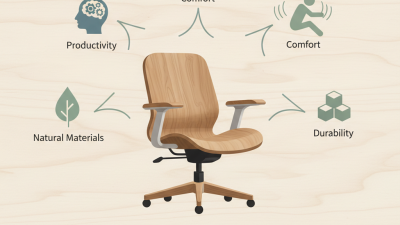
Choosing a Wood Office Chair in 2026 requires more than admiring its grain or polished silhouette. A chair may look warm and elegant, yet feel unforgiving after two hours at a desk. The right choice must balance lumbar support, seat depth, arm positioning, timber quality, and daily movement. It should also fit your work habits, room temperature, and desk height.
Ergonomist Alan Hedge, formerly of Cornell University, offered a useful reminder: “The best posture is the next posture.” That principle matters with wooden seating. A supportive Wood Office Chair should encourage small movements, not trap your body in one rigid position. During evaluation, check the backrest against your shoulder blades. Notice pressure beneath your thighs. Test the chair with ordinary clothing, not just a quick showroom visit.
Details matter. Look for responsibly sourced hardwood, stable joinery, smooth edges, and replaceable cushions. A slight recline can reduce stiffness. Adjustable lumbar support can help, but it cannot fix every poor design. Some attractive chairs remain too firm. Others use beautiful veneer over weak construction. Looks can mislead.
This guide examines practical features, material choices, ergonomic measurements, and long-term value for home offices and professional workplaces. It also considers repairability, sustainability claims, and the chair’s behavior after months of use. No chair suits everyone. Your height, posture, workload, and tolerance for firmness still matter. The honest answer may be less glamorous: the best chair is the one you can comfortably leave, return to, and adjust throughout a demanding day.
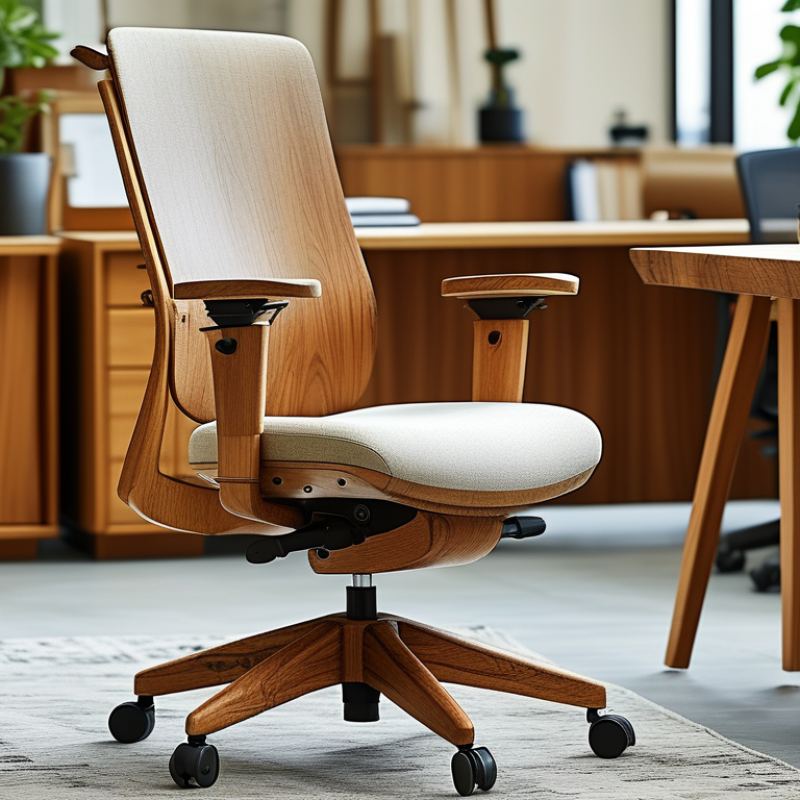
Choosing a wood office chair starts with your daily work, not its appearance. Define how many hours you sit, what tasks you perform, and how often you move. Writing and video meetings need stable support. Sketching or frequent reaching requires easier movement.
Measure your desk before shopping. Record its height, legroom, and distance from the screen. A chair seat should let your feet rest flat, with knees close to a right angle. Your elbows should meet the desk without raised shoulders. Seat depth matters too. Leave two or three fingers between the seat edge and your knees.
Then study the workspace itself. A hard floor may need felt glides, while a rug can make movement difficult. In a small room, wide arms may block drawers. Direct sunlight can heat and fade wood. Dry air may also cause minor movement in natural materials. I once chose a chair that looked perfect but collided with a cabinet every morning. That mistake changed my measuring habits.
Test the chair for at least ten minutes if possible. Notice pressure under your thighs, back support, and noise during movement. Wood can feel firm and cool, which some users enjoy, but others may need a shaped cushion. Cushioning can improve comfort, though it may reduce the chair’s clean profile. Check joints, smooth edges, and surface finishing carefully. A sturdy chair is useful, but personal fit remains more important than appearance.
Choosing a wood office chair starts with the timber, not the finish. In daily use, oak and maple resist dents better than softer pine. Beech offers a smooth, stable surface and often costs less. Walnut looks rich, but its softer surface can show pressure marks sooner. Straight, consistent grain usually handles stress better than large knots. Quality plywood can also outperform poorly joined solid wood. Some choices are compromises.
Construction decides whether that strength survives years of movement. Look for tight mortise-and-tenon joints, reinforced dowels, or fitted corner blocks. Screws alone may loosen when the chair rocks repeatedly. A thick seat needs support beneath it, especially near the front edge. Apply gentle pressure to the backrest. Clicking or movement deserves caution. I once trusted a polished chair with weak joints. It looked excellent, but it developed a wobble within months.
Durability also depends on moisture, finish, and maintenance. Kiln-dried wood is less likely to warp indoors, but humidity changes still matter. A hard, repairable finish protects against coffee rings and perspiration. Check the stated weight rating before buying. Inspect the casters, tilt mechanism, and fasteners carefully. These parts can fail before the wood. A heavy chair is not automatically durable. Sit for ten minutes, shift naturally, and notice pressure around your hips and lower back. A chair may be structurally strong yet uncomfortable every afternoon.
Choosing a wood office chair in 2026 requires more than checking its finish or joinery. Ergonomics should guide the decision. Your lower back needs steady support, while your feet should rest flat without pressure behind the knees. A curved wooden back may look comfortable, but its shape must match your spine.
Adjustability matters, even with a traditional frame. Look for seat-height options, a movable cushion, or a reclining backrest. The seat should allow small changes during long work sessions. I once chose a rigid chair because it looked durable. After two hours, my shoulders tightened. That mistake changed how I test furniture.
Tips: Sit for at least ten minutes. Test it longer. Shift your posture, type, and reach forward. Check whether the seat edge presses your legs. A thin cushion may feel firm and supportive, while excessive padding can trap heat. Materials, body size, desk height, and daily habits all affect comfort. No chair fits everyone perfectly. Measure your desk and compare it with the chair’s seat height before buying. A footrest may solve a small mismatch, but it cannot fix poor back support.
A wood office chair should fit your body and workspace, not merely match your desk. Measure seat height, width, and depth before purchasing. Your feet should rest flat, with knees near a right angle. Leave enough room for your hips and winter clothing. A seat that looks elegant may still feel narrow after two hours. I once chose appearance over support. That was a poor decision.
Check the stated weight capacity carefully. It should comfortably exceed the user’s weight, especially during movement. Include clothing, bags, and occasional leaning in your calculation. Test the chair on a level floor. It should not wobble, creak, or shift when you sit down. Inspect every joint, screw, and wooden edge. Rounded edges are safer near arms and legs. A firm backrest is useful, but excessive rigidity can create pressure during long work sessions.
Maintenance affects both comfort and service life. Wipe dust with a soft, slightly damp cloth, then dry the surface. Avoid soaking unfinished wood. Keep the chair away from heaters and persistent sunlight, which may cause cracking or fading. Retighten fasteners after the first few weeks. Check them again every few months. Do not ignore small splits. They can become larger under repeated loads. If the chair includes moving parts, confirm that they operate smoothly without trapping fingers or scraping the floor. Some details are easy to miss. That is why a slow, hands-on inspection matters.
How to Choose a Wood Office Chair in 2026?
A wooden office chair should support your work, not merely decorate your room. Test the seat for at least ten minutes before buying. Notice pressure beneath your thighs and movement around your shoulders. A slightly flexible backrest often feels better than a rigid, beautiful frame. Check seat height, lumbar support, and desk alignment together. Style matters, but discomfort becomes expensive when you use the chair daily.
Tips: Compare the full cost, not just the checkout price. Include delivery, assembly, cushions, maintenance, and possible replacement parts. Choose durable wood from traceable sources, and inspect the finish for low odor and easy repair. Screwed joints are usually more serviceable than permanently bonded parts. Ask how the wood was sourced and whether the chair can be repaired locally. Short questions reveal useful facts.
Sustainability also depends on lifespan. A chair lasting fifteen years may be wiser than a cheaper chair replaced several times. Look for replaceable upholstery and accessible hardware. Avoid choosing only by appearance; I have found that attractive angles can hide awkward arm positions. A darker finish may conceal scratches, but it can also show dust clearly. Calculate the annual cost and consider your real habits. If you work eight hours daily, comfort deserves a larger share of the budget. Test carefully, then accept that no chair solves every posture problem.
A practical comparison of common wood-based chair constructions for a typical home-office user working 6–8 hours per day.
| Wood-Based Construction | Typical Material Characteristics | Expected Service Life* | Comfort Potential | Sustainability Considerations | Typical Retail Price Range** | Five-Year Ownership Cost*** | Best Fit |
|---|---|---|---|---|---|---|---|
| Solid Beech | Hard, fine-grained hardwood; commonly used for bentwood parts and chair frames. Approximate oven-dry density: 680 kg/m³. | 8–15 years with stable indoor humidity and periodic tightening | ★★★★☆ Good with shaped seat, padding, and adjustable support |
Long service life and good repairability. Prefer wood with credible chain-of-custody certification and low-VOC finishes. | US$180–420 | US$220–520 | Durable everyday seating with a warm, traditional appearance |
| Solid Oak | Dense, wear-resistant hardwood with prominent grain. Typical oven-dry density is about 700 kg/m³; heavier than many alternatives. | 10–20 years when joints and finish are maintained | ★★★★☆ Stable and supportive; cushioning is important for long sessions |
Very durable, but transport impacts can be higher because of weight. Select responsibly sourced wood and a repairable design. | US$250–600 | US$290–700 | Premium interiors, high-use rooms, and buyers prioritizing longevity |
| Solid Ash | Strong hardwood with relatively open grain and good shock resistance. Approximate oven-dry density: 670 kg/m³. | 8–15 years with sound joinery and routine maintenance | ★★★★☆ Good structural resilience; add a contoured cushion for extended work |
Efficient use depends on regional availability and responsible forestry. Replaceable hardware improves the chair’s life. | US$200–480 | US$240–580 | Modern interiors needing visible grain and a lighter visual appearance |
| Birch Plywood | Cross-laminated veneer panels provide dimensional stability and efficient material use. Typical density is approximately 600–700 kg/m³, depending on grade. | 7–12 years; exposed edges need careful sealing | ★★★★☆ Excellent for molded or curved shells when paired with proper padding |
Cross-lamination can improve panel efficiency and reduce movement. Check adhesive emissions, formaldehyde class, and recycled-content claims. | US$140–360 | US$180–450 | Minimalist designs, curved backs, and a balance of price and stability |
| Bamboo Laminated Panel | Made from rapidly renewable grass strips bonded into panels; density commonly falls around 600–800 kg/m³ depending on product and orientation. | 6–12 years with dry indoor use and protected edges | ★★★☆☆ Comfort depends strongly on seat contour and upholstery rather than the panel itself |
Rapid renewability does not guarantee low impact. Verify adhesive emissions, transport distance, and credible sourcing documentation. | US$130–340 | US$170–430 | Contemporary spaces and buyers seeking a renewable panel material |
| Wood Frame with Upholstered Seat and Back | Wood structure combined with foam or fiber padding and woven or synthetic upholstery; performance depends on foam density, fabric, and joinery. | 7–12 years; upholstery may need replacement before the frame | ★★★★★ Best option for extended sitting when seat depth, lumbar support, and height are appropriate |
More materials complicate recycling. Choose removable covers, replaceable cushions, durable fabric, and mechanical rather than permanent bonding where possible. | US$220–550 | US$300–700 | Daily computer work where comfort is more important than a fully exposed wood surface |