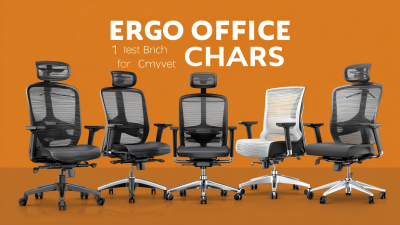
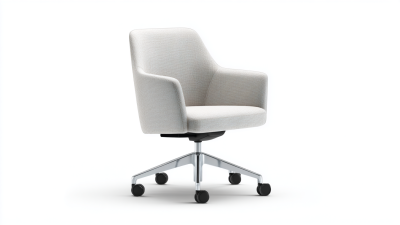
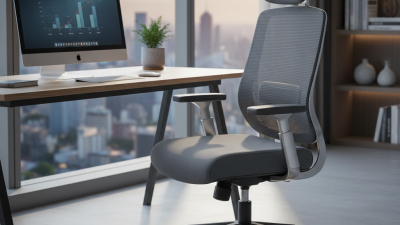
Top Office Seating Chairs for 2026 What to Consider?
As the workplace evolves, choosing the right office seating chairs becomes crucial. A report by the American Society of Interior Designers highlights that ergonomic chairs can boost productivity by up to 17%. Selecting the appropriate seating can enhance comfort and reduce health issues.
In 2026, the focus will shift toward sustainable materials and innovative designs. The Office Furniture Research Institute indicates that 75% of employees favor adjustable chairs for personalized comfort. This trend reflects a growing awareness of the relationship between seating choices and employee wellbeing. Many companies are re-evaluating their seating selections to meet these demands.
However, while aesthetics are important, functionality should not be overlooked. The wrong choice can lead to discomfort and decreased efficiency. Addressing these issues is essential for creating a productive work environment. The landscape of office seating chairs is changing, and understanding these shifts will be key for businesses aiming to support their teams effectively.
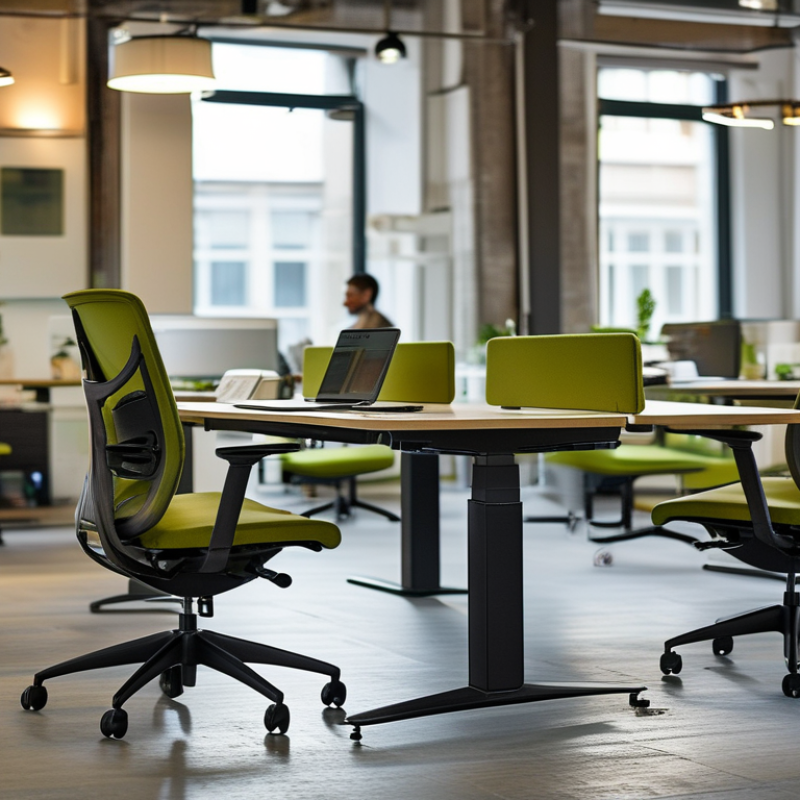
Top Office Seating Chairs for 2026: An Industry Overview
As we approach 2026, office seating chairs are evolving to meet the changing workplace dynamics. According to a recent report by the Global Office Furniture Market, ergonomic design is a leading trend, with 75% of employees prioritizing comfort. This shift reflects the growing awareness of health and productivity correlations. Companies can enhance employee satisfaction by investing in high-quality seating that supports posture and reduces fatigue during long hours.
Another significant factor is sustainability. The demand for eco-friendly materials has surged, with 62% of office furniture buyers prioritizing sustainable practices. This trend not only benefits the planet but also aligns with corporate social responsibility values. Offering chairs made from recycled or renewable resources can attract eco-conscious companies. It is essential to consider how materials affect both the environment and employees' well-being.
When choosing office chairs, comfort is vital, but aesthetics also play a significant role. Modern office environments emphasize both style and functionality. Select chairs that not only support physical health but also enhance your workspace's appeal. Experiment with various styles and finishes to accommodate diverse preferences. Balancing form and function is key to creating an inviting atmosphere for productivity.
Ergonomic Features: Key Design Elements for Optimal Comfort
Choosing the right office chair is vital for maintaining comfort during long work hours. Ergonomic features are essential when looking for optimal seating options. Key design elements include adjustable height, lumbar support, and seat depth. These factors can significantly affect your posture and overall comfort.
Adjustable height allows you to align your chair with your desk. It helps in keeping your feet flat on the floor. Lumbar support is crucial for lower back health. Chairs with a contour design can offer a better fit to your body's natural curve. Seat depth also matters; a well-sized seat prevents pressure behind your knees and promotes blood circulation.
Evaluating your comfort while sitting in a chair is crucial. Many people choose based on appearance rather than functionality. This can lead to discomfort over time. Take breaks and stretch to assess your chair's fit. Experimenting with different settings can yield unexpected results. A balance between comfort and support is vital for prolonged seating. Remember, investing in a good chair is investing in your health.
Materials and Sustainability: Trends Shaping Office Chair Manufacturing
As the demand for office seating evolves, materials and sustainability take center stage. The push for eco-friendly materials is reshaping office chair manufacturing. According to industry reports, nearly 70% of office furniture buyers prioritize sustainability in their purchasing decisions. This is not just a trend; it reflects a growing commitment to environmental responsibility.
Recycled plastics and sustainably sourced wood are becoming commonplace. Many manufacturers now use water-based adhesives instead of harmful chemicals. The focus is on creating durable products that have a minimal environmental impact. These changes contribute significantly to reducing a company’s carbon footprint. It’s important to remember that, while sustainable choices are beneficial, not all claims are fully substantiated. The industry must remain vigilant against greenwashing.
Consumer awareness is rising, with surveys showing that 80% of buyers are willing to pay more for sustainable options. Yet, organizations often struggle with balancing cost and environmental impact. Finding the right mix of durability, comfort, and sustainability can prove challenging. It's vital for manufacturers to continually assess their practices and be transparent about their sourcing and production processes to build consumer trust and drive genuine sustainable practices.
Top Office Seating Chairs for 2026: Materials and Sustainability Trends
Adjustability and Customization: Meeting Diverse User Needs in 2026
In 2026, the importance of adjustability and customization in office seating cannot be overstated. With an increasing number of professionals working remotely, ergonomic designs are crucial. According to the Global Wellness Institute, poor seating can lead to chronic pain for up to 80% of workers. Hence, chairs that adapt to individual needs promote productivity and health.
Adjustable features are essential. Most users benefit from customizable seat depth and height. Additionally, lumbar support that can be modified ensures comfort during long hours. Reports indicate that incorporating adjustability in office chairs can reduce the risk of musculoskeletal disorders by 40%. Workers who can tailor their workspace report 25% higher job satisfaction.
When selecting chairs, prioritize personal comfort and promote movement. Trying out multiple chairs is key. Remember that not all chairs suit all body types. Regular adjustments are necessary to maintain support throughout the day. Ensure that your chosen chair can accommodate unique needs, such as varying heights and body shapes. This approach creates an inclusive environment that values employee well-being.
Top Office Seating Chairs for 2026 What to Consider?
| Chair Model |
Adjustability Features |
Customization Options |
Material |
Ergonomic Design |
Price Range |
| Model A |
Height, Armrests, Seat Depth |
Color, Cushioning Type |
Mesh, Fabric |
Lumbar Support, Headrest |
$300 - $500 |
| Model B |
Seat Height, Recline |
Color Options, Armrest Style |
Leather, Eco-Friendly Fabric |
Adjustable Lumbar, Neck Support |
$400 - $700 |
| Model C |
Seat Height, Tension Control |
Upholstery Material, Base Type |
Plastic, Metal |
Tilt Functionality, Armrest Adjustments |
$250 - $450 |
| Model D |
Seat Depth, Arm Height |
Fabric Pattern, Cushioning Thickness |
Mesh, Wool |
Sway Back Support, Head Pillow |
$350 - $600 |
Market Insights: Projected Growth and Consumer Preferences in Office Seating
As we look ahead to 2026, understanding consumer preferences in office seating is vital. Ergonomics is becoming a priority. Workers seek chairs that support their posture. This focus on health leads to greater productivity. People want flexibility too. Adjustable features allow chairs to cater to various body types.
Materials matter. Consumers lean towards eco-friendly options as they become more environmentally conscious. This shift is reshaping the market landscape. Sustainability is no longer just a trend. It’s a necessity. Manufacturers must balance comfort, style, and sustainability.
There are many factors to consider. Test chairs before purchasing. Ensure comfort aligns with your daily tasks. Look for adjustable lumbar support. It can help prevent aches during long hours. Heavy use requires durability. Investing in quality leads to long-term satisfaction. Do not overlook aesthetics; chairs should match your office design.