Why Choose Composite WPC for Your Next Project?
Choosing the right materials for construction projects is crucial. Composite Wpc (Wood Plastic Composite) has emerged as a popular choice in the construction industry. Recent reports indicate that the global WPC market is expected to reach $6 billion by 2027, growing at a CAGR of 12%. This growth reflects the increasing demand for sustainable alternatives.
Composite WPC combines the best of wood and plastic, offering durability and aesthetic appeal. It is resistant to moisture, insects, and fading. Studies show that Composite WPC maintains its structural integrity in various climates, making it suitable for both outdoor and indoor applications. However, not all Composite WPC products are created equal. The quality and manufacturing standards can vary significantly.
Environmental concerns drive many to consider Composite WPC. It utilizes recycled materials and reduces deforestation pressures. Nevertheless, buyers should be cautious when selecting products. Not all manufacturers follow strict eco-friendly practices. Conducting thorough research is essential to ensure quality, sustainability, and performance. Ultimately, Composite WPC can be an excellent choice, provided that careful consideration is given to the selection process.
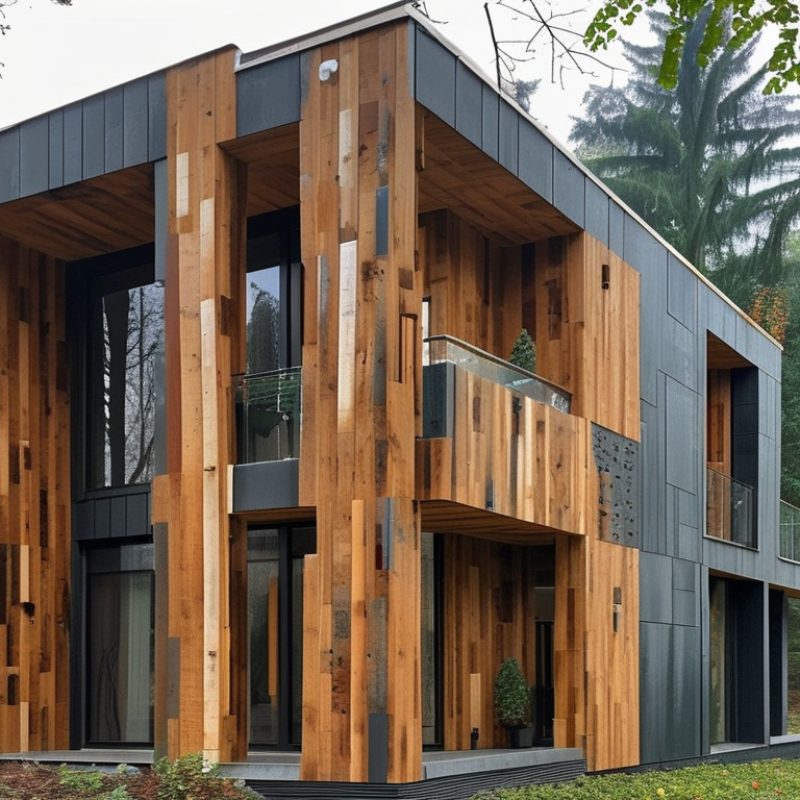
What is Composite WPC and How is it Made?
Composite WPC, or wood-plastic composite, is a material gaining traction in various projects. It combines wood fibers and recycled plastic, resulting in a product that is both durable and versatile. The manufacturing process begins with the careful blending of these components, typically in a 60:40 ratio. This mixture is then subjected to heat and pressure, transforming it into boards that mimic the appearance of traditional wood while outperforming it in several aspects.
Industry reports indicate that WPC can last up to 25 years with minimal maintenance, significantly more than natural wood. In recent years, the market has seen a growth rate of about 10% annually, primarily due to the rising demand for sustainable building materials. However, this rapid growth raises concerns about the sourcing of both wood fibers and plastics. As WPC involves recycled materials, some manufacturers face challenges in quality control, leading to variations in durability.
Research indicates that while WPC is resistant to rot and insects, it isn't entirely maintenance-free. Discoloration and scratching can occur over time. The appeal of WPC lies in its aesthetic versatility, allowing designers to create spaces that are not only functional but also visually appealing. However, achieving the perfect balance between durability and appearance remains a challenge in the industry.
Benefits of Composite WPC in Construction Projects
Composite WPC (Wood Plastic Composite) offers various benefits for construction projects, including durability, low maintenance, cost-effectiveness, eco-friendliness, and aesthetic appeal. The bar chart above illustrates the rating of these benefits on a scale of 1 to 10.
Key Advantages of Using Composite WPC in Construction
Composite WPC (Wood Plastic Composite) is gaining traction in the construction industry for several compelling reasons. One key advantage is its resilience. According to a study by the American Institute of Architects, WPC materials can last up to 25 years with minimal maintenance. This longevity appeals to builders and contractors looking for cost-effective solutions.
Another benefit is sustainability. WPC utilizes recycled materials, reducing waste in landfills. Reports indicate that using WPC can decrease the carbon footprint by up to 30% compared to traditional building materials. This environmentally friendly attribute resonates with eco-conscious homeowners.
However, the decision to use WPC isn't without its challenges. Some construction professionals raise concerns about the price point compared to conventional options. Although initial costs may be higher, the long-term savings often outweigh them. It's essential for builders to weigh these factors carefully when planning a project. Overall, the advantages of Composite WPC present noteworthy opportunities in modern construction.
Why Choose Composite WPC for Your Next Project? - Key Advantages of Using Composite WPC in Construction
| Advantages | Description | Sustainability |
| Durability | Resistant to weather, rot, and insects, ensuring a longer lifespan. | Made from recycled materials, reducing environmental impact. |
| Low Maintenance | Requires minimal upkeep compared to traditional wood products. | Long-term cost savings by reducing maintenance needs. |
| Aesthetic Appeal | Available in a variety of colors and finishes to suit design preferences. | Eco-friendly without compromising on style. |
| Safety | Slip-resistant surfaces are ideal for decks and outdoor spaces. | Free from harmful chemicals often found in treated wood. |
| Versatility | Can be used in various applications including decking, fencing, and cladding. | Customizable to fit multiple project needs while being environmentally friendly. |
Durability and Maintenance Benefits of Composite WPC
Composite Wood Plastic Composite (WPC) is increasingly favored for its remarkable durability. Unlike traditional wood, WPC is resistant to rot, decay, and insect damage. This resilience makes it ideal for outdoor applications like decking and fencing. The blend of recycled wood fibers and plastic polymers provides an environmentally friendly alternative while maintaining structural integrity over time.
Maintenance is another critical factor. WPC requires minimal upkeep compared to natural wood. There’s no need for frequent painting or sealing. A simple wash with soap and water is often enough. Stains and spills are easily managed, which can save time and effort in the long run. However, it’s essential to choose the right cleaning agents to prevent damage.
While WPC is robust, it’s not entirely flawless. High temperatures can cause WPC to expand or warp slightly. Regular inspections are necessary to ensure it remains in top condition. It’s a material that invites reflection on balance—how to enjoy its benefits while being mindful of potential issues. This approach encourages responsible project planning and mindful material choices.
Environmental Impact of Choosing Composite WPC Materials
When selecting materials for your project, consider the environmental impact of composite wood-plastic composites (WPC). These materials consist of recycled wood fibers and plastics, minimizing waste while providing durability. Using WPC can reduce the demand for traditional wood, helping to conserve forests and reduce deforestation.
However, it’s essential to be aware of the production processes involved. Some WPCs incorporate chemicals that may not be environmentally friendly. Always research suppliers to ensure their practices align with your sustainability goals. Seeking transparency from manufacturers is vital for informed choices.
Tip: Check for certifications such as FSC or PEFC. These indicate responsible sourcing and sustainability efforts.
Another aspect to consider is the lifecycle of composite WPC. It can last longer than traditional materials, decreasing waste over time. But improper disposal can lead to environmental challenges. Assess your project’s end-of-life plan when choosing WPC.
Tip: Aim for a circular economy approach. Prioritize options that can be reused or recycled.
Applications and Versatility of Composite WPC in Various Projects
Composite Wood Plastic Composite (WPC) has gained significant traction in various construction projects. Its unique blend of materials makes it a versatile choice for different applications. Reports indicate that the global WPC market is expected to reach $10.78 billion by 2025, growing at a CAGR of 12.3%. This growth reflects the increasing adoption of sustainable materials across industries.
One of the most appealing features of WPC is its durability. It resists moisture, rotting, and insects far better than traditional wood options. For outdoor decking, it provides a robust alternative that can withstand harsh weather conditions. WPC can also be utilized in fencing, railing, and playground equipment, where safety and sturdiness are crucial. Its ease of installation can reduce labor costs and project timelines, making it an attractive option for contractors.
However, WPC is not without its challenges. Some projects may see limitations in color options compared to wood. Additionally, while WPC is designed for longevity, environmental factors can still lead to surface degradation over time. This aspect requires periodic maintenance to keep aesthetics intact. These considerations should not overshadow the many benefits WPC offers in terms of versatility, durability, and sustainability in various applications.