How to Choose the Best Hotel Outdoor Seating Options?
Choosing the right outdoor seating for hotels can be challenging. Hotel Outdoor Seating is essential for creating inviting spaces. Guests look for comfort and aesthetics in these areas. Well-designed seating enhances the overall guest experience.
Consider the atmosphere you wish to create. It should reflect your hotel's theme. A vibrant, tropical setting demands different seating than a sleek, modern space. Evaluating materials is crucial. Weather-resistant options ensure longevity, while soft cushions add comfort. Balancing style and function is key to a successful design.
Don’t forget to think about the layout. Open spaces can feel inviting, while cozy corners offer privacy. Gathering spaces foster social interaction. Purchasing options may vary. Consider durability and ease of maintenance. A lack of proper planning can lead to a mismatch, leaving guests unsatisfied. Remember, good seating can boost business, but poor choices may detract from the experience.
Understanding Different Types of Outdoor Seating Options for Hotels
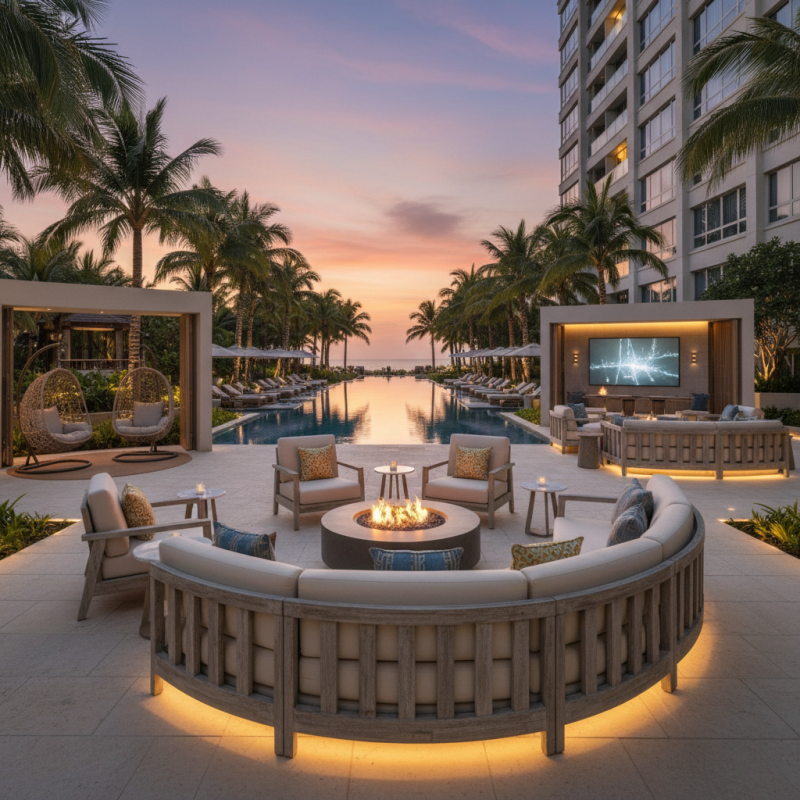
When selecting outdoor seating options for hotels, it’s crucial to consider various styles and materials. Deck chairs, lounges, and dining sets each create distinct atmospheres. Deck chairs offer relaxation, allowing guests to unwind in the sun. They are lightweight and easy to move but may lack durability against weather conditions.
Dining sets are essential for outdoor eateries. They encourage guests to enjoy meals outdoors. However, heavy materials can be cumbersome and may require regular upkeep. Consider fire pits or communal seating for a social touch. These options foster connection but can sometimes lack individual privacy.
It’s vital to strike a balance between aesthetics and functionality. Consider the hotel’s environment and target audience. Strong winds may topple lightweight furniture, while heavy options may limit flexibility. Finding the right mix may take experimentation and adjustments, reflecting the unique character of each hotel setting.
Evaluating Comfort and Aesthetic Appeal in Outdoor Furniture
When selecting outdoor seating for hotels, comfort and aesthetic appeal are crucial. Comfortable seating ensures guests can relax and enjoy their surroundings. Selecting the right cushions and materials plays a significant role in this. Soft fabrics and supportive cushions transform simple chairs into inviting lounges. Consider the shape of the furniture as well. Curvy designs can be more embracing, while straight lines offer a modern look.
Aesthetic appeal also aligns with the hotel's brand and environment. For a coastal hotel, rustic wooden furniture can enhance the natural vibe. Bright colors can attract attention and generate a cheerful mood. However, not all choices may work as intended. Bright colors can fade quickly, while heavier materials might feel overwhelming in small spaces. Balance is essential. Mixing styles can create visual harmony but requires thoughtful consideration.
It's easy to overlook practical aspects when focusing on beauty. Durability is vital for outdoor conditions. For example, furniture that looks great might not withstand rain or harsh sunlight. This compromise between beauty and functionality can lead to disappointment. Reflecting on these choices ensures that the final product is both appealing and practical for all seasons.
Considering Durability and Weather Resistance in Selection
When selecting outdoor seating options for hotels, durability and weather resistance are critical factors. A 2022 report from the American Society for Testing and Materials (ASTM) highlights that furniture exposed to the elements can deteriorate quickly if not made with suitable materials. For instance, metal and high-quality plastics often outperform wood in harsh weather conditions. This is vital for maintaining a welcoming atmosphere.
Consider the average lifespan of outdoor furniture. According to a 2023 National Outdoor Furniture Association study, well-crafted pieces can last over ten years with proper care. However, neglecting weather resistance can significantly reduce this timeframe. Significant temperature fluctuations can warp or fade furniture, turning a beautiful patio into an eyesore after just one season.
When evaluating options, think beyond appearances. Materials like powder-coated aluminum resist rust and corrosion. Fabrics should be UV-treated to prevent fading. Yet, even with these attributes, some customers report issues with comfort and stability over time. This highlights the need for thorough research and user reviews, ensuring that comfort matches durability. Aim for seating that meets both aesthetic and functional needs, allowing for a truly inviting outdoor experience.
Assessing Space and Layout for Optimal Outdoor Seating Arrangement
When considering outdoor seating for a hotel, space and layout play pivotal roles. An optimal arrangement not only enhances guest experience but also maximizes available space. Evaluate your outdoor area’s size and shape. Is it a small patio or a vast garden? Each layout requires a different approach.
Tips for layout assessment include sketching the area and marking key features. Trees, walkways, and existing structures can affect seating placement. Additionally, consider guest flow. Create pathways that invite people to wander through your outdoor space. Aim for a balance between openness and intimacy.
Determine the purpose of the seating. Are guests dining, relaxing, or socializing? Lounge chairs work well for relaxation, while tables are better for dining. Position seating to capture views but allow for privacy. Reflect on past arrangements. Were certain spots underutilized? Adjusting the layout based on feedback can lead to improvement.
Incorporating Guest Preferences and Trends in Outdoor Design Choices
Outdoor seating is more than just furniture; it's an essential part of the guest experience in hotels. According to a recent study by the American Hotel and Lodging Educational Institute, 78% of guests prefer venues with inviting outdoor spaces. These areas not only enhance aesthetics but also attract customers seeking solace outdoors. Therefore, integrating guest preferences into design is crucial for maximizing satisfaction.
Understanding current trends is essential in outdoor design choices. A report by the Hospitality Design Association reveals that biophilic designs, which incorporate natural elements, are increasingly popular. Guests are drawn to spaces that feature greenery, water features, or natural light. However, it is important to consider maintenance and seasonal adjustments. Many hotels falter in this area, failing to assess whether their outdoor environments remain appealing year-round.
Another significant aspect is the surrounding community's preferences. Engaging with local trends can inform seating arrangements, decor style, and overall layout. For example, an area known for artisanal coffee culture may benefit from cozy, communal seating options. Yet, balancing guest preferences with practical considerations can be challenging. Regular feedback and observation are essential for evolving outdoor spaces that genuinely reflect the desires of the clientele.
Outdoor Seating Preferences Among Hotel Guests