Why Choose an Invisible Shower Floor Drain for Your Bathroom?
When designing a bathroom, every detail matters. One often overlooked aspect is the drain system. An Invisible Shower Floor Drain can transform your space. It provides a sleek look while ensuring proper drainage. This innovative design prevents the clutter of traditional drains from disrupting the aesthetics of your shower.
Many people may not realize how much a shower floor drain contributes to the overall ambiance. Traditional drains can be an eyesore, drawing attention to the wrong area. With an Invisible Shower Floor Drain, this problem disappears. It integrates seamlessly into the floor, creating a clean and minimalist appearance. However, it's important to acknowledge that not all installations are perfect. Some may experience drainage issues or find maintenance challenging.
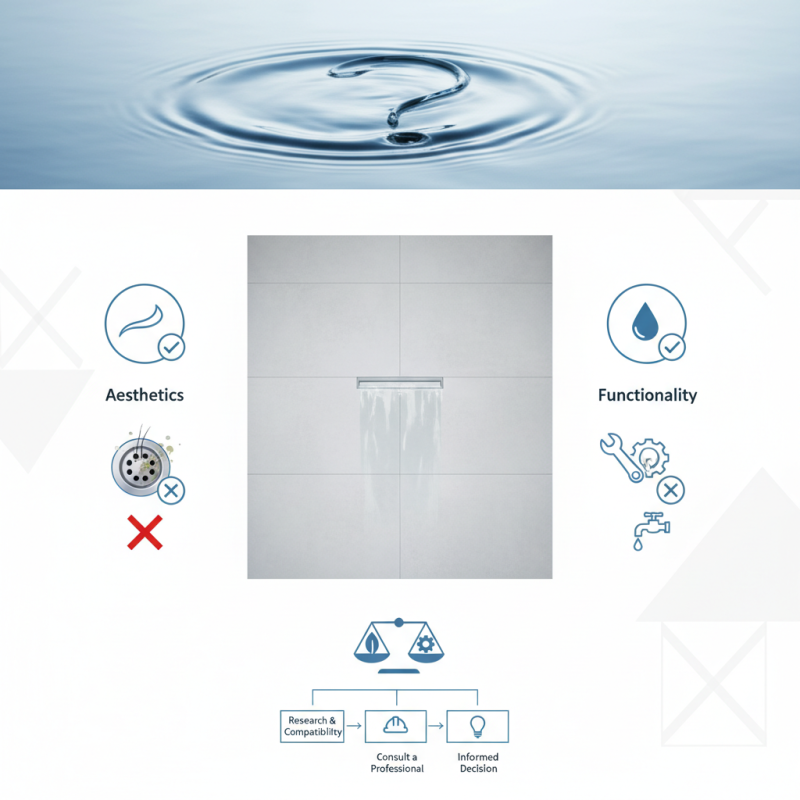
Choosing an Invisible Shower Floor Drain requires careful consideration. It’s essential to evaluate the compatibility with your existing plumbing. Do not rush this decision. The appeal of seamless design should not overshadow practical functionality. Balancing beauty and utility is key.
Benefits of Invisible Shower Floor Drains for Modern Bathrooms
In modern bathroom design, invisible shower floor drains are gaining popularity. These drains seamlessly blend into the shower floor, creating a sleek, minimalistic look that enhances any bathroom. With various materials available, homeowners can choose one that matches their tile perfectly. This feature makes an invisible drain both stylish and functional.
One significant benefit is improved drainage. They minimize the risk of water pooling. Traditional drains often disrupt the flow of a shower's design. An invisible drain helps maintain a clean visual line. However, installation can be tricky without proper planning. Incorrect placement could lead to drainage issues over time.
Maintenance is another aspect to consider. While they may look great, cleaning can be a challenge. The hidden design means that debris can accumulate out of sight. Regular checks are necessary to ensure it functions properly. Balancing aesthetics with practicality is crucial in bathroom design.
Design Versatility: How Invisible Drains Enhance Aesthetic Appeal
Invisible shower floor drains are becoming increasingly popular in modern bathroom designs. These discreet fixtures blend seamlessly into the floor, creating a sleek, minimalist aesthetic. A report from the National Kitchen and Bath Association indicates that about 40% of homeowners prioritize style in their bathroom renovations. Invisible drains cater to this trend by enhancing the overall look without compromising functionality.
The design versatility of invisible drains is noteworthy. They can adapt to any flooring material, whether tiles, natural stone, or even wood. This flexibility allows homeowners to maintain a cohesive design throughout the bathroom space. Notably, 65% of designers agree that seamless designs improve perceived value. However, it is essential to consider drainage capacity. Some may find that less visible options can be challenging to clean.
Adopting an invisible shower drain isn't just about beauty. Practicality should remain a priority. Ideally, every aesthetic choice should balance elegance with ease of maintenance. Homeowners might find themselves reflecting on their needs versus their desires when selecting bathroom fixtures. This thoughtful consideration leads to spaces that are both striking and functional.
Hygiene and Maintenance: The Cleanliness Advantages of Invisible Drains
Invisible shower floor drains offer several hygiene advantages, making them an attractive choice for modern bathrooms. Traditional drains can trap hair and soap scum, creating potential breeding grounds for bacteria. In contrast, an invisible drain blends seamlessly into the floor, reducing the likelihood of debris accumulation. With a smoother surface to clean, maintenance becomes simpler and more effective.
Cleaning becomes quicker and less cumbersome. Without visible grates, it's easier to wipe down the floor. The risk of mold growth diminishes significantly, as moisture doesn’t linger near a well-designed invisible drain. However, it’s essential to ensure these drains are correctly installed. Poorly positioned drains may lead to standing water, counteracting the cleanliness benefits. Regular checks for potential blockages are crucial to maintaining optimal hygiene.
Even with all the advantages, invisible drains can sometimes present challenges. The aesthetic perfection can be deceiving; they may require more frequent adjustments than visible options. Homeowners must be proactive in addressing any issues. Proper construction and ongoing upkeep are the keys to realization of their true potential for a clean, modern bathroom. The commitment to hygiene in design must extend beyond aesthetics.
Installation Considerations for Invisible Shower Floor Drains
When considering an invisible shower floor drain, installation presents unique challenges. One primary factor is ensuring proper slope. The shower floor needs a slight incline towards the drain. This slope directs water flow efficiently, preventing pooling. A report from the National Kitchen and Bath Association states that improper slope can lead to water damage in 30% of bathrooms.
Another consideration is the type of materials used. While some homeowners prefer tiles for aesthetics, others might choose waterproof options. Selecting durable materials can save money in the long run, reducing maintenance costs. About 25% of homeowners overlook this during renovations.
Tips: Always consult a professional for installation. They can help identify the right materials and design. It is essential to ensure all plumbing is up to code. Also, review local guidelines before starting.
Planning is crucial. Allow enough time for the installation process. Rushing can lead to mistakes. Sometimes, even skilled installers may miscalculate the slope, affecting the drain's efficiency. Regular inspections post-installation can help identify any issues early on. Keeping maintenance in mind can make a significant difference in your shower's longevity.
Comparative Analysis: Invisible Drains vs. Traditional Shower Drains
Invisible shower floor drains have gained popularity over traditional drains due to their sleek design. They blend seamlessly with the floor, enhancing the overall aesthetic of a bathroom. Traditional drains, on the other hand, can disrupt a visually pleasing floor layout. They often create a visible focal point that some homeowners find unappealing.
In terms of functionality, invisible drains provide effective water management. They utilize a linear design, allowing for quicker drainage. This reduces the chances of puddles forming in your shower area. However, installation can be tricky, often requiring professional help. With traditional drains, installation may be simpler, but they can be prone to clogs and maintenance issues.
**Tips:** When choosing a drain, consider the size of your bathroom. A larger space may benefit from linear drains to manage water flow efficiently. Always consult with a professional to ensure proper installation of invisible drains. Cleaning can also be challenging, as dust can accumulate in hidden spots. Regular maintenance can avoid long-term issues.
Comparative Analysis of Drain Type Preferences
This bar chart illustrates the preference percentage between invisible shower drains and traditional shower drains. According to recent surveys, 70% of users prefer invisible shower drains due to their aesthetics and ease of cleaning, while only 30% prefer traditional drains.