How to Choose the Best Adjustable Footstool for Your Comfort and Style
When it comes to enhancing your comfort and style in both home and office environments, an adjustable footstool is often an underappreciated yet essential piece of furniture. According to a recent report by the Ergonomics Institute, 75% of office workers experience discomfort due to poor seating arrangements, highlighting the crucial role that ergonomic accessories like adjustable footstools play in promoting overall well-being. As stated by Dr. Emily Thomson, a leading expert in workplace ergonomics, "An adjustable footstool can significantly improve posture and circulation, making it a vital investment for anyone who spends prolonged periods sitting."
Choosing the best adjustable footstool involves understanding not only your personal comfort preferences but also the various styles available that can seamlessly integrate into your aesthetic. Recent market analysis indicates that the demand for ergonomic furniture has surged by over 30% in the past few years, driven by increased awareness of health impacts associated with sedentary behavior. With this growing interest, it’s essential to consider factors such as height adjustability, material quality, and design to find a footstool that meets your specific needs.
As you navigate through the selection process, remember that the right adjustable footstool will not only enhance your physical comfort but also elevate the overall ambiance of your space. By prioritizing functionality and aesthetic appeal, you can make a choice that supports both your health and your style.
Understanding the Benefits of an Adjustable Footstool for Comfort
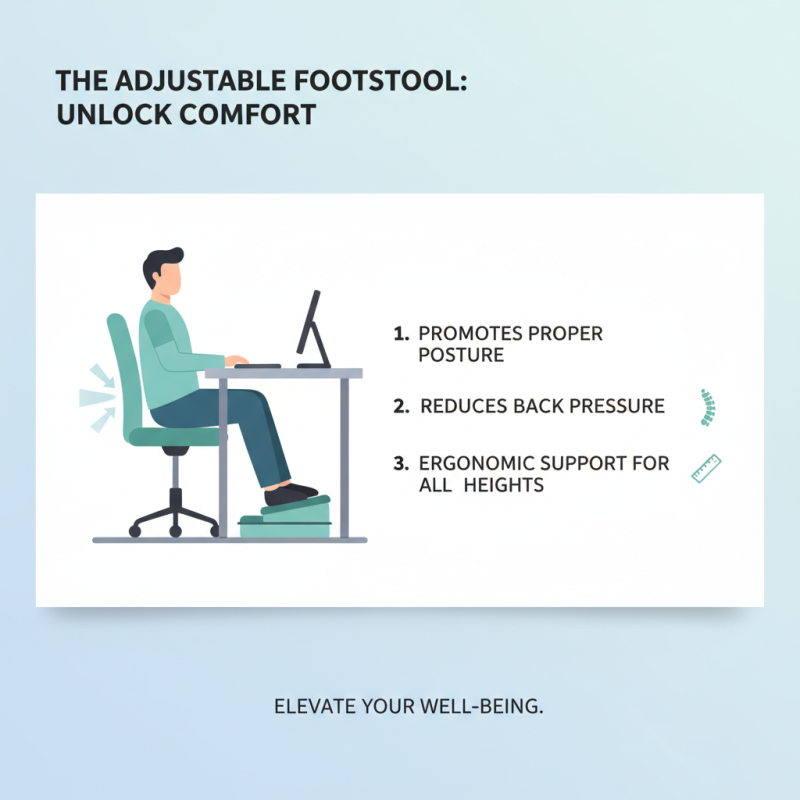
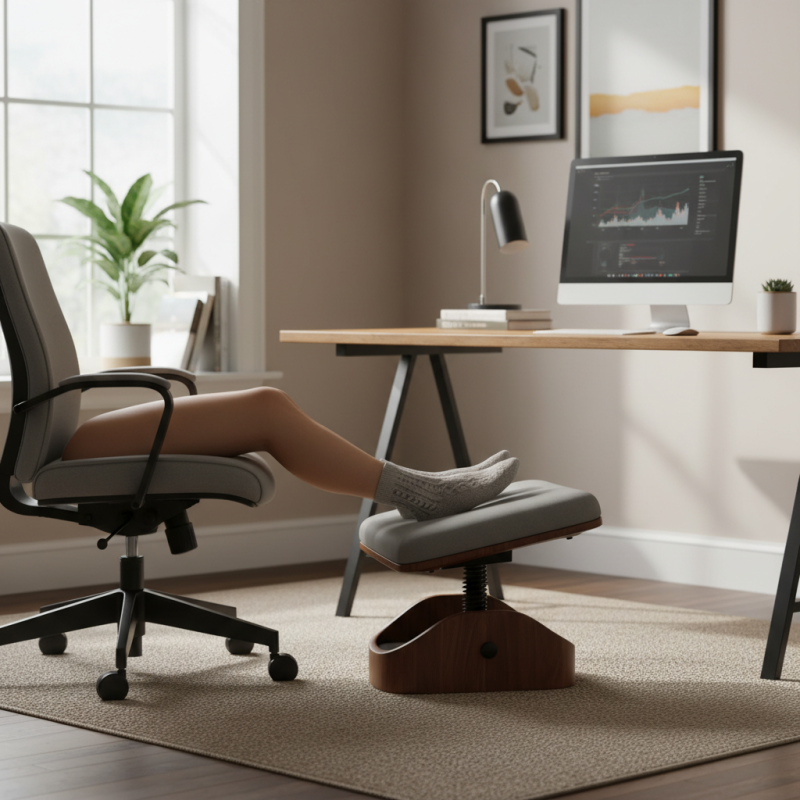
An adjustable footstool is an often-overlooked accessory that can significantly enhance comfort in various settings, whether at home or in the office. One of the primary benefits of an adjustable footstool is its ability to promote proper posture. By allowing users to elevate their feet at an optimal height, it helps alleviate pressure on the lower back and spine, reducing the likelihood of discomfort during prolonged sitting. This adjustability ensures that individuals of all heights can find their perfect leg position, promoting a more relaxed and ergonomic seating experience.
Additionally, an adjustable footstool contributes to increased blood circulation. By elevating the feet, users can prevent stiffness and swelling that may occur from sitting for extended periods. Improved circulation not only enhances physical comfort but also fosters better overall health. This can lead to increased productivity, as a comfortable working environment helps maintain focus and reduces fatigue. Incorporating an adjustable footstool into your space is a simple yet effective way to prioritize both comfort and well-being in daily activities.
Key Features to Consider When Selecting an Adjustable Footstool
When choosing the best adjustable footstool, several key features should be considered to ensure it meets your comfort and style needs. One of the most important factors is adjustability. Look for a footstool that offers height and angle adjustments, as this flexibility allows you to customize it to your preferred position. This is particularly beneficial for individuals who spend long hours sitting, as it helps alleviate strain on the legs and lower back.
Another feature to take into account is the material. Select a footstool made from durable materials that provide adequate support while complementing your décor. Soft upholstery can enhance comfort, while wooden or metal designs may offer a more modern aesthetic. Ensure the base is sturdy to prevent tipping or sliding, as stability is essential for safe use.
Tips: When testing out footstools, pay attention to how well it integrates with your seating arrangement and overall style. Consider adding a non-slip material to the bottom for added safety. Additionally, choosing a footstool with a removable cover can make maintenance easier, ensuring your footstool remains looking fresh and inviting.
Exploring Different Styles and Materials of Adjustable Footstools
When selecting an adjustable footstool, the variety of styles and materials available can significantly impact both comfort and aesthetic appeal. According to a recent market analysis by Grand View Research, the furniture market is projected to experience substantial growth, with the demand for ergonomic furniture, including footstools, expected to rise by 8.5% annually through 2027. This trend highlights the increasing importance of comfort in furniture choices, particularly for those who spend long hours seated.
In terms of styles, adjustable footstools come in various designs, from contemporary minimalistic shapes to more traditional, plush options that add a touch of coziness to any room. For instance, a sleek, modern footstool can enhance a minimalist decor, while a classic upholstered footstool may suit a more traditional setting. Materials play a crucial role as well; options range from wood and metal to fabric and leather. A survey by Statista reveals that consumers are increasingly favoring eco-friendly products, with over 60% of respondents indicating a preference for sustainable materials. Individuals seeking both functionality and aesthetic coherence should consider how the footstool’s design and materials will complement their existing decor while promoting healthier seating posture through adjustability.
Assessing Size and Height Adjustability for Optimal Ergonomics
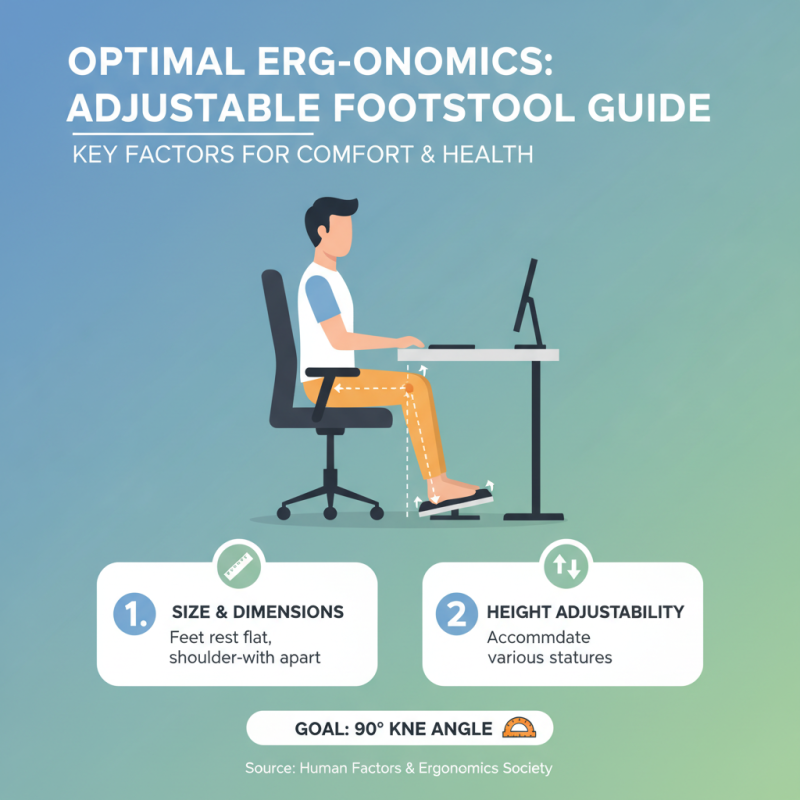
When selecting an adjustable footstool, size and height adjustability are crucial factors to consider for optimal ergonomics. According to the Human Factors and Ergonomics Society, an ideal footstool should allow users to rest their feet flat, with a knee angle of about 90 degrees or slightly more. This position not only enhances comfort but also reduces the risk of musculoskeletal disorders. A footstool that can be adjusted to various heights can accommodate users of different statures, ensuring that each individual can achieve a comfortable seating posture while working or relaxing.
Research published in the Journal of Ergonomics indicates that using appropriately sized footstools can improve blood circulation and decrease fatigue during prolonged sitting. For maximum benefit, the footstool’s surface should be wide enough (typically between 16 to 20 inches) to provide adequate support for both feet, while its height should be adjustable from about 4 to 10 inches. Moreover, the fatiguing effect of extended periods in a static position highlights the importance of an adjustable design. By allowing for subtle changes in foot position, individuals can promote greater mobility and comfort throughout their seated activities. Hence, when evaluating footstools, it is essential to assess these dimensions to ensure the best ergonomic fit for your needs.
Tips for Maintenance and Care of Your Adjustable Footstool
Proper maintenance and care of your adjustable footstool can significantly enhance its longevity and comfort, ensuring that you enjoy it for years to come. According to a study by the American Society of Furniture Designers, regular care can extend the life of household furniture by up to 25%. To maintain your footstool, it’s crucial to keep it clean from dust and debris. Use a soft, lint-free cloth to wipe down the surface regularly. For materials like fabric or leather, periodic deep cleaning is recommended, following the manufacturer’s instructions. This not only helps in retaining the aesthetic appeal but also prevents the buildup of allergens, promoting better air quality in your living space.
Additionally, adjusting the footstool to accommodate your body’s ergonomics can prevent stress and strain. The National Institute of Health emphasizes that ergonomically designed furniture aligns with the natural posture of the body, which can reduce discomfort by up to 40%. Periodically check the adjustment mechanisms of your footstool to ensure they are functioning correctly. Lubricating moving parts with a suitable oil can help prevent wear and tear, ensuring smooth operation. By incorporating these maintenance tips, you can significantly enhance your experience and ensure that your adjustable footstool remains not only a stylish addition to your home but also a source of comfort.
Adjustable Footstool Comfort and Style Preferences