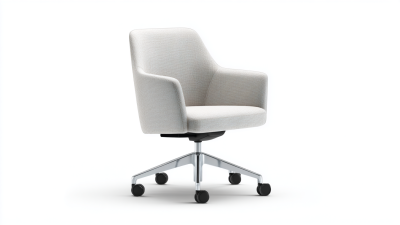
How to Choose the Best Office Chair for Comfort and Productivity?
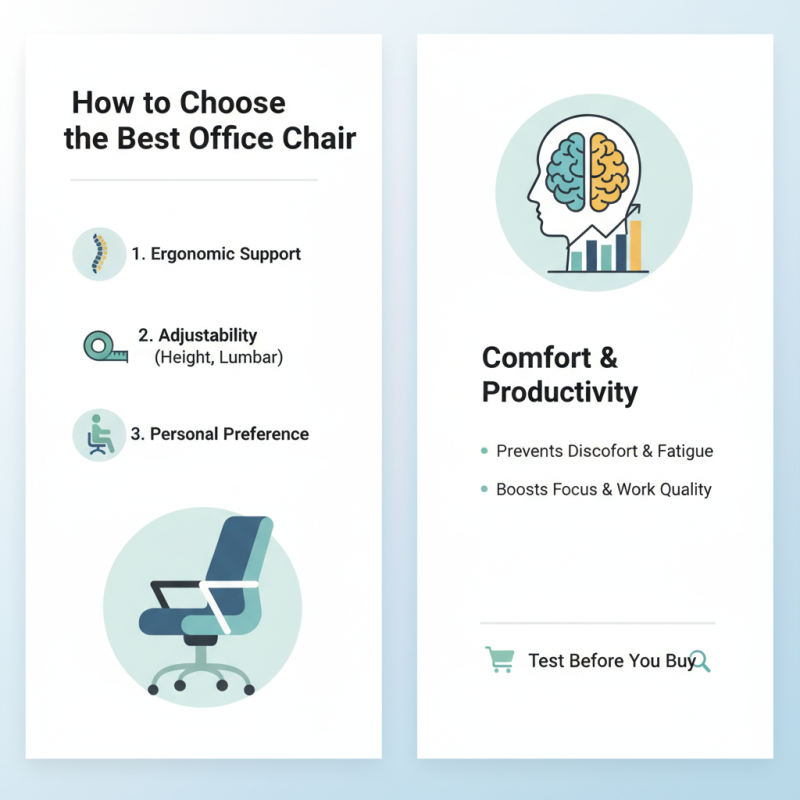
Choosing the right chair office is essential for both comfort and productivity. Many people underestimate the impact of a good chair on their work performance. An uncomfortable chair can lead to discomfort, decreased focus, and fatigue. Ultimately, this can affect overall work quality and mental well-being.
When selecting a chair office, consider specific qualities that contribute to your comfort. Look for ergonomic designs that support your posture. A chair that fits your body type can prevent strain and injury over time. Adjustability is also key. A chair that allows height and lumbar support adjustments can make a significant difference.
Reflect on your own needs and work style. Everyone has different preferences and requirements. Some might crave plush cushioning, while others prefer a firmer seat. It’s important to test chairs before making a decision. Don’t rush the process. A thoughtful choice in your chair office can greatly enhance your daily experience at work.
Factors to Consider for Comfort in Office Chairs
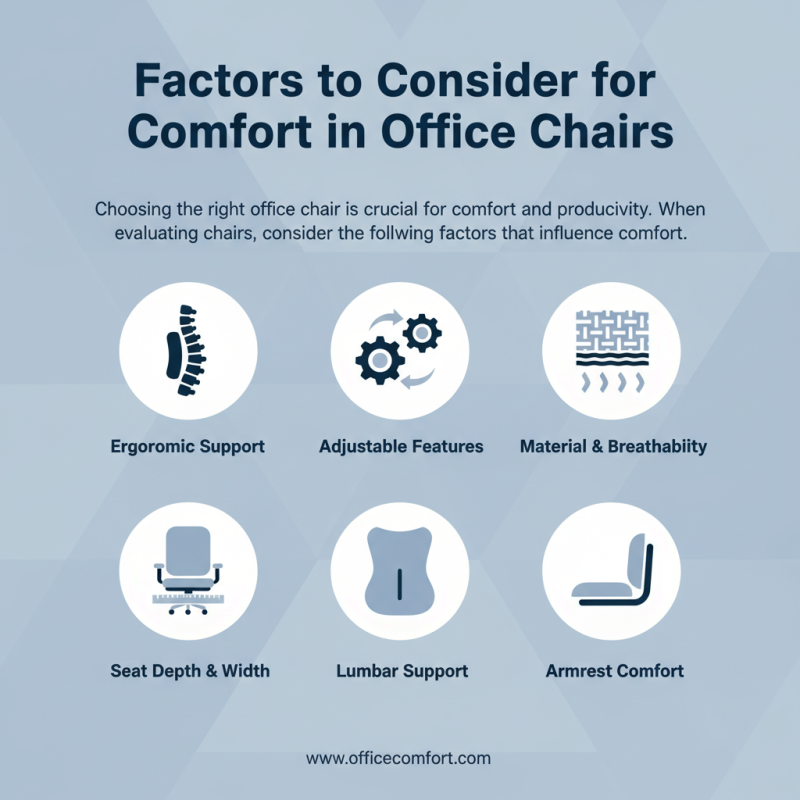
Choosing the right office chair is crucial for comfort and productivity. When evaluating chairs, consider the following factors that influence comfort.
Support is essential. Look for an ergonomic design that aligns with your spine's natural curve. Lumbar support helps in reducing lower back pain. A chair that adjusts to your body promotes better posture. Pay attention to adjustability in height and armrests. This allows customization for different body types.
Material matters. Breathable fabrics can keep you cool during long hours. Padding should be soft yet supportive. A chair that feels right when you sit is important. Test it for a few minutes before deciding. A poor fit can lead to discomfort over time.
Tips: Take breaks during long sitting periods. Simple stretches can relieve tension. Regularly change your sitting position. Hydration also plays a role in maintaining focus. Remember, investing in a quality chair can improve your work experience. An uncomfortable chair may hinder your productivity. Reflect on your needs and make a thoughtful choice.
Types of Office Chairs and Their Features
Choosing the right office chair is crucial for comfort and productivity. The variety of office chairs available can be overwhelming, but understanding their unique features is essential. Ergonomic chairs are designed to support the body’s natural posture. They often include lumbar support and adjustable heights. According to a study by the Workplace Ergonomics Research Institute, proper support can reduce back pain by up to 40%.
Task chairs, on the other hand, are ideal for short-term tasks. They are lightweight and often lower in price. However, they lack some of the advanced features of ergonomic options. Office workers who use task chairs may need breaks more frequently. This can affect productivity, especially during long hours. A report from the Occupational Health and Safety Administration indicates that poor seating can lead to a decrease in overall office efficiency.
Mesh chairs have become increasingly popular. They provide breathability and comfort, especially in warmer environments. However, they may not offer the same level of cushioning as traditional upholstered chairs. A study by the Human Factors and Ergonomics Society found that while mesh chairs can improve airflow, they may require adjustment to find the right fit. Not every chair is perfect for all users, and personal comfort preferences will vary.
Office Chair Types and Features Impacting Comfort and Productivity
Adjustability and Ergonomics for Enhanced Productivity
When selecting an office chair, adjustability is key. An adjustable chair allows users to tailor the height, armrests, and back support. This customization is essential for promoting comfort throughout long working hours. If your chair doesn’t fit your body, you may experience discomfort or fatigue. Experimenting with different adjustments can significantly enhance your daily productivity.
Ergonomics play a vital role in chair selection. A well-designed ergonomic chair supports your natural spine curve, reducing strain. Features like lumbar support can make a noticeable difference. Many workers overlook this aspect, often suffering from aches that disrupt focus. It’s crucial to find a chair that encourages a healthy posture. Test various configurations in-store or at home to discover what feels best.
Remember, a good office chair is not just about aesthetics. It should accommodate your unique body dimensions and work habits. Regular adjustments can seem tedious but are worth the effort. Pay close attention to how your body feels during the day. Reflection on your seating choice is necessary for your overall well-being and productivity.
How to Choose the Best Office Chair for Comfort and Productivity?
| Feature |
Importance Level |
Description |
| Adjustable Seat Height |
High |
Allows the chair to match the height of the desk and the user's legs for better posture. |
| Lumbar Support |
High |
Supports the lower back, preventing discomfort and promoting a healthy spine alignment. |
| Armrest Adjustability |
Medium |
Helps reduce strain on shoulders and neck by allowing arms to rest comfortably. |
| Backrest Recline |
Medium |
Promotes relaxation and helps users adjust their posture throughout the day. |
| Seat Depth Adjustment |
Medium |
Allows users to adjust the seat depth to ensure thighs are well supported. |
| Material Breathability |
Low |
Breathable fabrics help improve comfort over long periods of sitting. |
| Mobility (Wheels) |
Medium |
Allows easy movement around the office without straining. |
Materials and Build Quality Influencing Chair Comfort
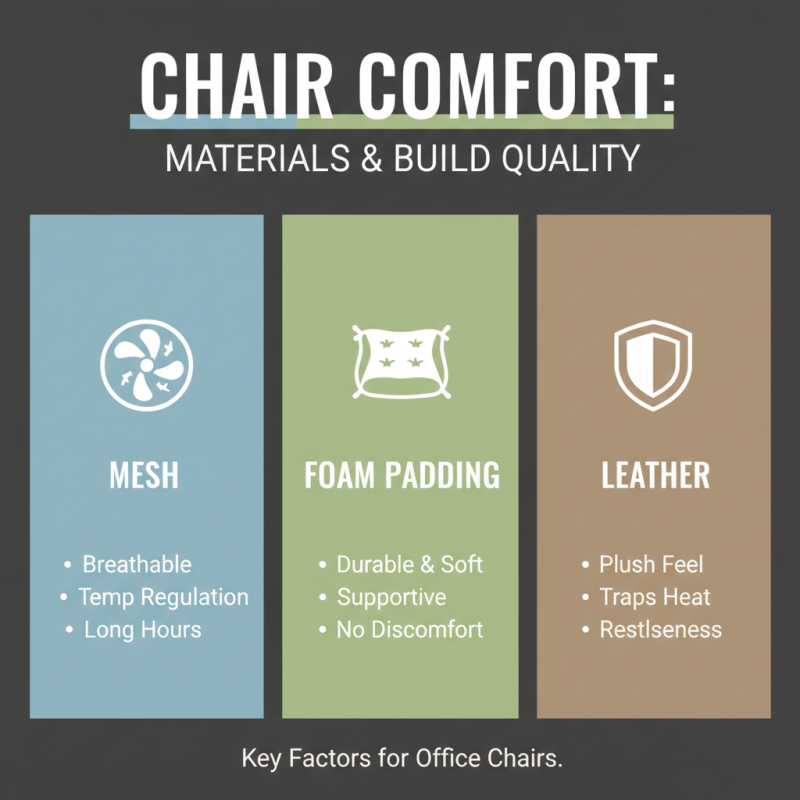
When selecting an office chair, the materials and build quality play crucial roles in ensuring comfort. A chair made from high-quality mesh allows for breathability, which helps regulate temperature during long hours of work. Foam padding needs to be durable yet soft enough to provide support without causing discomfort. Leather options offer a plush feel, but they may trap heat, which can lead to restlessness.
The construction of the chair is equally significant. Adjustable features, such as seat height and armrests, should be sturdy and easy to operate. Wobbly adjustments can be frustrating and distracting. Additionally, a well-designed chair will include lumbar support tailored to your spine. This helps prevent slouching and promotes better posture. Yet, not every chair will fit every body type, leading to potential discomfort if the wrong choice is made.
For those who spend entire days seated, the weight capacity is another key factor. Choosing a chair that supports a heavier weight can prevent early wear and increase longevity. Consider how often you might need to adjust your position throughout the day. Chairs with limited flexibility might not accommodate dynamic movements, increasing fatigue. It's essential to reflect on personal habits and preferences when making a choice.
Budget Considerations When Selecting an Office Chair
When selecting an office chair, budget considerations play a crucial role. A good chair doesn't need to break the bank. A comfortable chair can impact your productivity significantly. Look for options that offer essential ergonomic features without overwhelming costs. Prioritize support for your back and neck, as well as adjustable height.
Deciding how much to spend can be tricky. It's easy to underestimate the long-term value of an investment in comfort. While cheaper chairs may seem attractive, they can lead to discomfort and health issues over time. Consider your daily work hours. Spending a bit more on a quality chair may save you money by avoiding medical bills for back pain down the road.
Keep in mind that expensive doesn't always mean better. Some mid-range options provide excellent features. Research online reviews and expert opinions can help narrow choices. Seek out options with good warranties, offering a safety net for your investment.
Reflect on your personal needs. Test chairs when possible to find the perfect fit. Balancing budget and comfort is essential for a productive workspace.